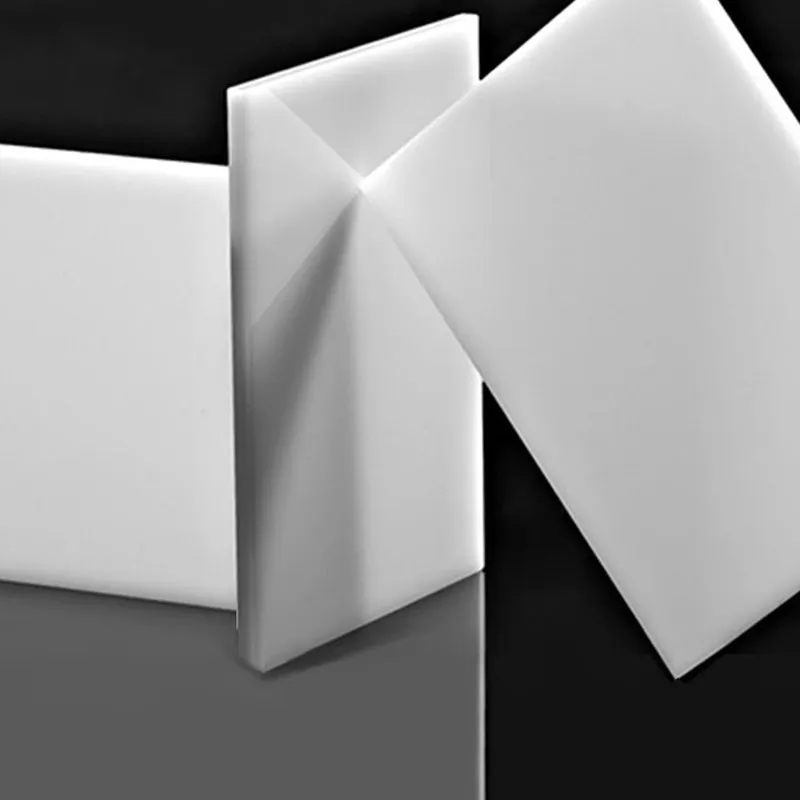
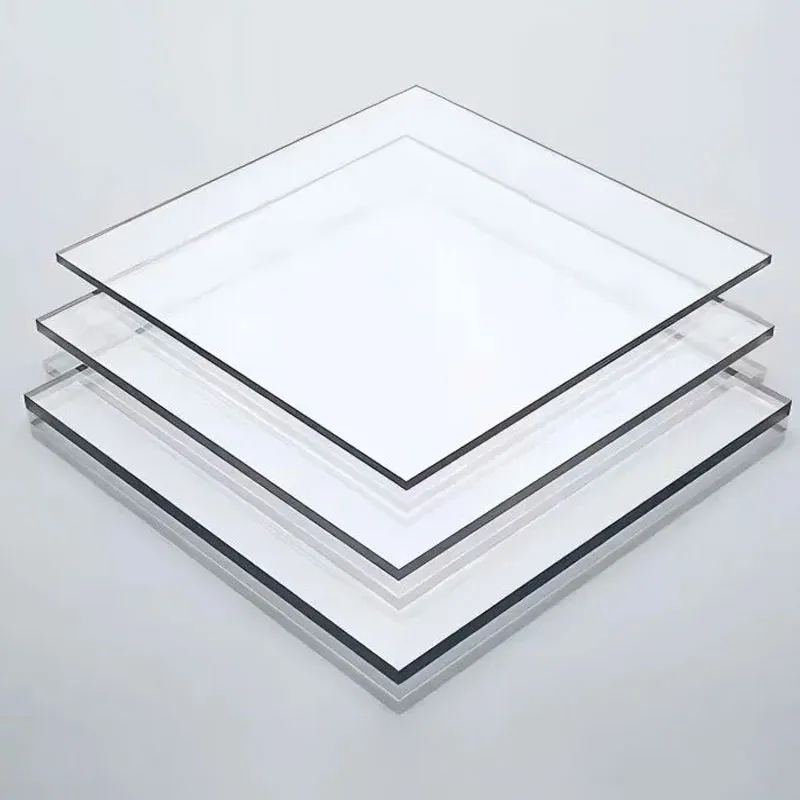
In 2026, the move toward sustainability is reshaping the lighting and display industries. Forward-thinking brands in signage, architectural lighting, and consumer electronics are turning to innovative solutions like chemically recycled PMMA (r-PMMA) light guide plates to meet stringent Environmental, Social, and Governance (ESG) goals. Why? Recycled PMMA provides up to 70% carbon savings while maintaining the exceptional transparency and optical precision demanded by high-end applications. AML Acrylic stands at the forefront of this green revolution, proving sustainability and performance can co-exist without compromise.
The Circular Economy in Acrylics: Why r-PMMA is the 2026 Gold Standard
As the world transitions to a circular economy, the benefits of recycled materials are becoming increasingly evident. For light guide plate (LGP) manufacturers, the use of r-PMMA is a game-changer, enabling both environmental responsibility and enhanced performance.
How r-PMMA Differs from Other Recycled Acrylics
Mechanical Recycling Challenges: Conventional mechanical recycling degrades acrylics over time, leading to yellowing, reduced transparency, and compromised quality—a non-starter for high-performance lighting and display components.
The Chemical Depolymerization Breakthrough: r-PMMA is created through chemical depolymerization, a process that breaks down acrylic into its fundamental monomer state (methyl methacrylate or MMA) and then reconstructs it into a pristine, virgin-grade material. This process ensures that r-PMMA achieves the same optical clarity and performance standards as virgin PMMA, a critical requirement for products that rely on high light transmittance and uniform luminance.
Global Regulatory Compliance
The push for sustainability is no longer optional. Regulations like the EU Ecodesign Directive and newly implemented US plastic sustainability targets are forcing manufacturers to rethink their material choices. Key highlights:
Reduced burden of plastic waste on landfills and oceans through closed-loop recycling.
Increased emphasis on full Life Cycle Assessment (LCA) reporting for carbon emissions.
Tax credits and incentives for the adoption of recycled content by industries, particularly in the signage and lighting sectors.
Choosing r-PMMA isn’t just green; it’s good business. By working with an experienced light guide plate manufacturer, you can meet global compliance standards while creating future-ready, competitive products.
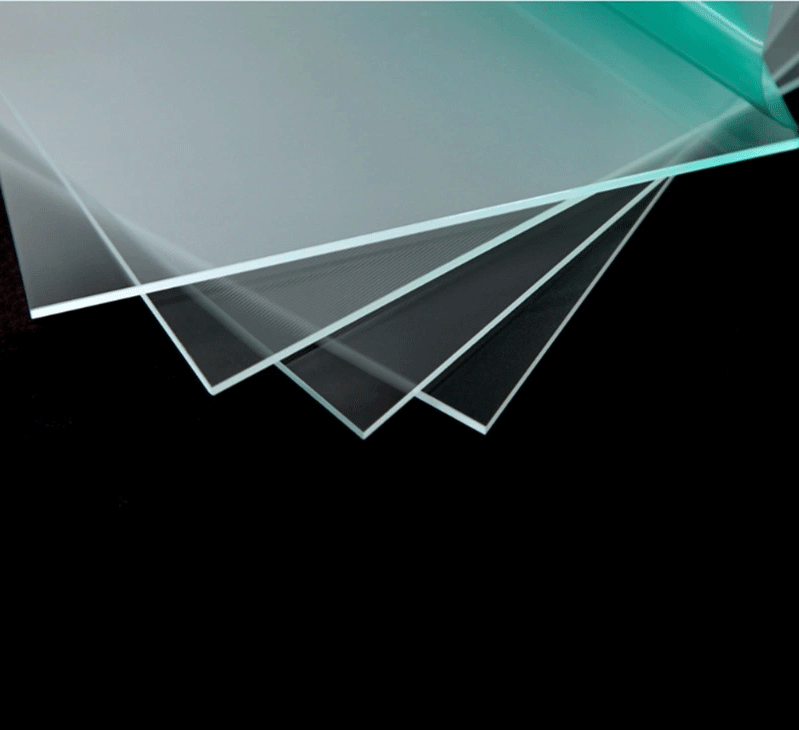
Engineering High-Clarity Light Guide Plates with Recycled Substrates
For engineers and designers, optical performance is non-negotiable. The number one concern with using recycled materials is the risk of optical loss. However, AML Acrylic has consistently proven that chemically recycled r-PMMA can meet and even exceed industry requirements.
How Modern LGP Manufacturing Mitigates Optical Variations
At AML Acrylic, advanced processing technologies ensure that recycled PMMA delivers the same level of optical clarity as virgin materials:
Laser-Engraved Micro-Patterns: AML’s precision laser-dotting process aligns with the specific refractive indices of r-PMMA to ensure consistent light diffusion and uniform brightness across the entire light guide plate.
V-Cutting Technology: This process sharpens the angular output of light, further optimizing luminance uniformity without requiring additional LEDs, which also contributes to lower energy consumption.
Supporting ESG Targets with Expertise
To achieve uniform luminescence across a large-format light guide plate, the precision of the micro-pattern is as critical as the purity of the PMMA resin itself. This is why choosing an experienced manufacturer who understands the science of polymers is paramount.
Life Cycle Assessment (LCA): Quantifying the Eco-Benefit of r-PMMA
In an industry under increasing pressure to document environmental performance, lifecycle analytics have become the standard for proving sustainability claims.
r-PMMA Carbon Footprint
Recent studies highlight the substantial environmental advantage of recycled PMMA over virgin acrylic:
Virgin PMMA: Produces approximately 6.0 kg of CO2 emissions per kg of material.
Chemically Recycled PMMA (r-PMMA): Reduces this footprint to 1.8 kg of CO2 per kg, a 70% reduction.
Why Carbon Tracking is Crucial in 2026
Procurement teams from retail, commercial, and industrial sectors are increasingly demanding Product Carbon Footprints (PCF) as part of their purchasing criteria. By offering ultra-transparent r-PMMA light guide plates, AML Acrylic empowers its clients to meet sustainability benchmarks without compromising on functionality.
Performance Comparison: Recycled vs. Virgin PMMA in LGP Applications
One of the most frequently asked questions regarding r-PMMA is whether its performance matches virgin PMMA. Through rigorous testing, AML Acrylic demonstrates that the differences are negligible for high-end uses, making it a viable option for backlighting, advertising displays, and architectural lighting.
| Property | Virgin PMMA | Chemically Recycled r-PMMA |
| Light Transmittance | 92.5% | 91.8%–92.0% |
| Yellowness Index | <1.0 | <1.5 |
| UV Stability | Excellent | High |
| Workability | 100% | 100% |
Fact Check: AML Acrylic’s r-PMMA light guide plates retain over 99% of the optical performance of virgin PMMA while reducing environmental impact by 65%.
Beyond Material: Energy-Efficient LGP Design
Using r-PMMA is only one part of the equation. The design of the light guide plate can further enhance sustainability by requiring fewer LEDs while maintaining brightness levels.
How AML Acrylic Innovates at the Design Level
Optimized LGP Patterns: By adjusting the dot spacing and laser-engraving depths, AML reduces the number of LEDs required to achieve the same level of luminance (Nits).
Lower Energy Consumption: Fewer LEDs mean reduced power consumption for the end product, supporting energy efficiency goals in commercial lighting and display applications.
FAQ: Does recycled PMMA yellow faster than virgin material?
Expert Answer: No. When properly sourced from a reputable light guide plate manufacturer, chemically recycled r-PMMA includes UV stabilizers that prevent yellowing and preserve optical clarity over extended lifespans. Its durability and resistance to environmental degradation match that of virgin-grade materials.
Conclusion: The Future of Light is Green
In the high-stakes, high-precision world of modern lighting and display, sustainability is no longer a luxury—it’s an imperative. With r-PMMA, AML Acrylic empowers brands to achieve their ESG targets without sacrificing performance or durability. As one of the leading light guide plate manufacturers, we’re redefining how eco-friendly materials perform in the most demanding applications.
 EN
EN