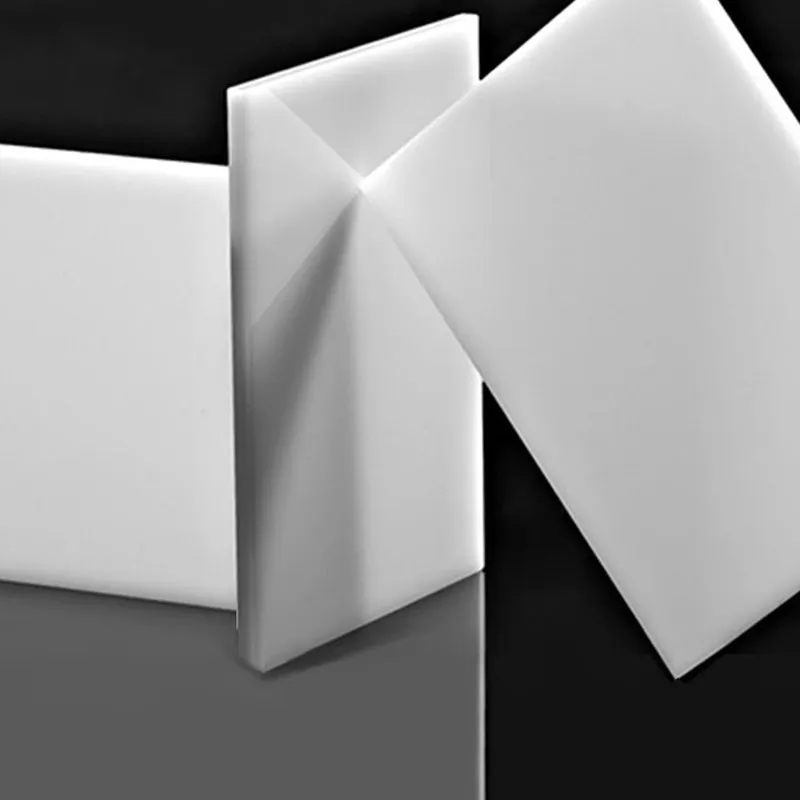
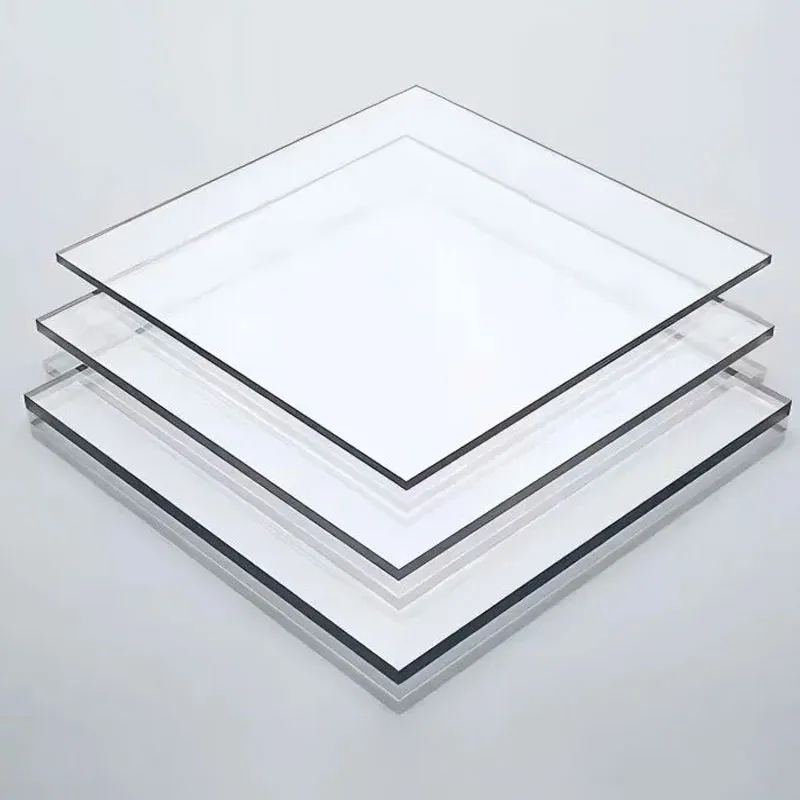
Walk into a flagship store in 2026 and you'll notice something: the surfaces are quieter. Less mirror, more matte. Less glare, more calm. The fixtures don't shout—they recede, letting the product take center stage.
This isn't an accident. It's a deliberate response to real operational pressure. Retail brands need surfaces that photograph cleanly under any lighting, hide fingerprints through eight hours of customer traffic, survive daily cleaning without degrading, and roll out consistently across fifty stores in three countries. That's exactly why white acrylic sheet—particularly matte finishes—has become the dominant specification for fixtures, wall panels, displays, and branded elements in modern retail interiors.
At the same time, white high gloss acrylic sheet still has a precise role: contrast bands, illuminated zones, and deliberate highlight effects. The challenge is knowing which finish goes where—and specifying thickness and fabrication correctly so you get the look without the rework.
How White Acrylic Sheet Creates the "Soft Touch" Visual
The "soft touch" aesthetic isn't just a surface preference—it's an optical engineering decision. Understanding why matte reads as premium helps you specify it correctly and defend the choice to clients who default to gloss.
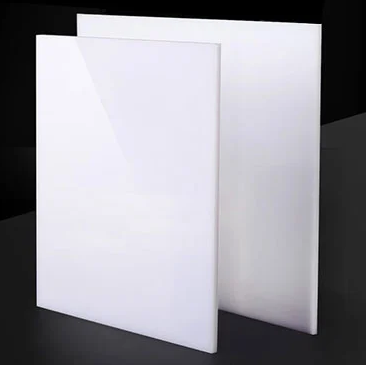
Matte Diffusion vs Gloss Reflection
A matte white acrylic sheet scatters incident light across a wide angle. Under retail spotlights—which are typically high-intensity and directional—this means no visible hotspot, no bright reflection competing with the product on display, and a consistent luminous white appearance from any viewing angle.
A white high gloss acrylic sheet does the opposite: it reflects light specularly, creating bright highlights and mirror-like surface behavior. Under the same retail spotlights, gloss produces visible reflections of the ceiling grid, track lighting, and customers' hands—visual noise that competes with the product and makes the fixture look busy rather than calm.
The perceptual result: matte reads warmer, more considered, and more premium under retail lighting conditions. Gloss reads sharper, more technical, and more energetic—which is appropriate in specific contexts, not as a default.
How Matte Surface Texture Makes Merchandise Colors Pop
The scattered light from a matte surface creates an even, low-contrast background. Against this neutral field, product colors appear more saturated and distinct. This is why beauty, fashion, and lifestyle retailers consistently prefer matte white backgrounds for product display—the surface works with the merchandise rather than competing with it.
Where Gloss Still Wins
White high gloss acrylic sheet is the right choice when:
Reflection is intentional: a horizontal gloss surface that mirrors the product above it creates a luxury doubling effect used in fragrance and jewelry displays
The zone is "no-touch": vertical feature panels or ceiling soffits that customers never contact stay clean long enough for gloss to remain effective
Technical contrast is the design intent: matte body with gloss accent bands creates a structured, modern visual hierarchy
The Decision Trigger: Touch Zones vs Visual Zones
| Zone Type | Recommended Finish | Reason |
|---|
| Customer-touch counters, drawer fronts | Matte white acrylic sheet | Hides fingerprints, reduces glare |
| Display plinths, tester stations | Matte or satin | Low-maintenance, neutral background |
| Feature walls, upper panels | Either, depends on lighting | Specify based on lighting angle |
| Backlit logos, illuminated zones | White high gloss acrylic sheet | Maximizes light reflection and intensity |
| Contrast accent bands | Gloss | Deliberate highlight against matte field |
Specs and Configurations for White Acrylic Sheet in 2026
Specifying white acrylic sheet correctly before fabrication begins prevents the most common rollout problems: warped panels, chipped edges, color inconsistency across stores, and surface damage during construction.
Thickness Selection by Application
| Application | Recommended Thickness | Key Consideration |
|---|
| Wall cladding panels (framed) | 3–5mm | Full perimeter support required; expansion gap essential |
| Display plinths and pedestals | 8–12mm | Freestanding rigidity; heavier but stable |
| Counter fronts and fixture cladding | 5–8mm | Balance of rigidity and weight; CNC-friendly |
| Drawer fronts and door inserts | 4–6mm | Framed application; focus on edge finish quality |
| Backlit diffuser panels | 3–5mm | Translucency varies by colorant; test with actual LED spec |
For spans above 600mm without continuous support, 6mm is the practical minimum for matte white acrylic sheet to avoid visible flex or ripple under retail lighting.
Finish Options and How to Specify Consistency
Finish terminology varies between suppliers. For rollout programs, specify descriptively rather than by name alone:
Matte: low-gloss diffuse finish; specify gloss level (e.g., GU 5–15 at 60°) if critical
Satin: mid-level sheen; softer than gloss, less flat than matte; good for display plinths
Velvet: ultra-low gloss, almost tactile appearance; increasingly specified in premium beauty retail
White high gloss acrylic sheet: mirror-like; specify GU >80 at 60° if instrument verification required
Color Consistency for Chain-Store Programs
Batch-to-batch color variation in white is more visible than in colored sheet—because human perception of white is extremely sensitive to warmth and coolness shifts. For multi-store programs:
Request a physical color sample cut from the production batch you will receive
Define a ΔE tolerance for critical applications (ΔE ≤1.5 for tight white matching)
Record batch codes on first-store approval and require matched re-orders from the same colorant lot for subsequent stores
If phased rollout spans more than six months, order the full program quantity from one production run where possible
Fabrication Compatibility
White acrylic sheet processes well with standard methods:
CNC routing: preferred for large panels and repeated profiles; clean edges on matte finish; specify climb-cut direction to minimize edge chipping
Laser cutting: efficient for detailed shapes and cutouts; matte finish may show slight edge discoloration—test on sample before production
Edge finishing: matte applications typically use eased or lightly sanded edges; white high gloss acrylic sheet benefits from flame or machine polishing for a clean, matched finish
Thermoforming: possible for curved counter fronts and shaped elements; requires even heating; not suitable for tight radii without tooling
Protection During Construction
Specify masking film retention until final clean—not during fit-out. Removing protective film early exposes matte surfaces to paint overspray, plaster dust, and site traffic that can permanently alter surface appearance. For matte finishes, once the surface is scuffed during construction, polishing recovery is limited.
Retail Use Cases for White Acrylic Sheet
White acrylic sheet solves specific, measurable problems across the most common retail fixture and interior categories.
High-Touch Fixtures: Counters, Drawer Fronts, Tester Stations, Cash Wraps
These surfaces are touched hundreds of times per day. Matte finish is not just an aesthetic choice here—it's a maintenance specification. A matte white acrylic sheet counter front requires one wipe to look clean. The equivalent white high gloss acrylic sheet surface shows every fingerprint under directional retail lighting and requires multiple passes to restore appearance—across a chain, this is a measurable cleaning labor cost difference.
Wall Features and Branded Panels
Matte white creates a gallery-quality neutral background that makes product photography, branding graphics, and merchandise display work harder. The surface reads as intentional restraint rather than a cost-saving material choice—which is exactly the brand signal premium retailers want.
Light Features: Diffusers, Backlit Logos, Shelf Lighting Accents
For illuminated applications, finish choice determines lighting performance:
Backlit logo panels and illuminated brand elements: white high gloss acrylic sheet maximizes light reflection and intensity
Shelf edge diffusers and ambient lighting accents: matte or satin diffuses LED hotspots and creates even, low-glare illumination
Pop-Ups and Seasonal Displays
Lightweight, fast to fabricate, and consistent in appearance—white acrylic sheet is the practical choice for temporary structures that need to look as premium as permanent installations. The material can be recut and reconfigured between seasons without the surface degradation that painted MDF experiences.
Finish Zoning: The Balanced Premium Look
The most effective retail interiors in 2026 use finish zoning deliberately:
Matte white acrylic sheet for all touch zones + white high gloss acrylic sheet for no-touch highlight bands = premium visual hierarchy with minimal maintenance overhead.
This combination gives designers the visual contrast they want without the maintenance burden of specifying gloss everywhere. Matte white acrylic sheet reduces glare and fingerprints in touch zones; high gloss acrylic creates premium highlights when used strategically.
Installing and Selecting White Acrylic Sheet
Getting installation details right prevents the most expensive post-handover problems: stress-cracked panels, visible seams, and surfaces that look different under store lighting than they did in the sample approval.
Panel Layout Planning
Plan seam locations deliberately at structural breaks, frame members, or lighting transitions—never let seams fall in the visual center of a wall panel run
For matte finish, seams are less visible than on gloss—but still require clean, consistent edge finishing and tight joint tolerances
On continuous runs over 2400mm, plan for thermal expansion: acrylic expands approximately 0.07mm per meter per degree Celsius
Mounting Methods
| Method | Best Application | Key Requirement |
|---|
| Perimeter aluminum frame | Wall cladding, large panels | Expansion gap on all sides; minimum 2mm clearance |
| Mechanical standoffs | Feature panels, branded elements | Oversized holes with shoulder washers for movement |
| Concealed cleats | Flush wall installations | Must allow panel removal for replacement |
| Structural adhesive bonding | Permanent fixture cladding on flat substrates | Acrylic-compatible adhesive only; no solvent contact |
Cut and Edge Guidance
Use sharp tooling and climb-cut direction on CNC to minimize edge chipping on matte white acrylic sheet
Ease all cut edges before installation—sharp cut edges are fragile and chip under impact
For white high gloss acrylic sheet: flame polish or machine polish edges for a clean, finished appearance that matches the panel face
Drill holes for fixings 1–2mm oversized relative to fastener diameter; use shoulder washers to prevent point loading that causes stress cracks
When to Use White High Gloss Acrylic Sheet
Reserve white high gloss acrylic sheet for:
Vertical no-touch panels above 1200mm height where fingerprints don't accumulate
Horizontal surfaces designed to mirror the product above (jewelry, fragrance)
Feature lighting elements where maximum light reflection is the functional requirement
Deliberate contrast bands in a predominantly matte scheme
On-Site Acceptance Checklist
Inspect surfaces under the actual store lighting type (LED spotlights, not construction work lights)
Remove protective film only at final clean stage—never during fit-out
Check seams and edges for chipping before film removal; address before handover
Verify color consistency across all panels in one visual sweep under lighting
Confirm cleaning protocol has been communicated to facilities team in writing
Maintenance and TCO of White Acrylic Sheet in Retail
The maintenance cost of retail surfaces is rarely calculated at the specification stage—but it directly determines whether the material choice was the right one over a three-to-five-year store lifecycle.
Cleaning Routine That Preserves Matte Appearance
Microfiber cloth with mild soap and water, or a purpose-formulated acrylic surface cleaner
Never use paper towels, abrasive cloths, or scouring pads—micro-scratches accumulate quickly on matte surfaces and produce a visually hazy appearance that cannot be reversed without polishing
Chemical avoid list for all white acrylic sheet finishes: acetone, ammonia-based glass cleaners, bleach, alcohol, solvent-based degreasers
Matte finish is more forgiving than gloss on fingerprints and light soiling—a single wipe restores appearance versus the multiple-pass cleaning that gloss requires
Scratch and Scuff Management
Light surface scratches on matte white acrylic sheet are less visible than on gloss—the diffuse surface masks fine scratches effectively
Moderate scratches can be addressed with a proprietary acrylic polishing compound; this is practical on accessible horizontal surfaces
Deep scratches or impact damage on white high gloss acrylic sheet are very visible and typically require panel replacement rather than polishing
For high-traffic horizontal surfaces, specify hardcoated white acrylic sheet to extend polishable service life
Practical TCO Comparison
| Material | Fingerprint Visibility | Scratch Repairability | Replacement Speed | Rollout Consistency |
|---|
| Matte white acrylic | Low | Moderate | Fast | Excellent (batch match) |
| White high gloss acrylic | High | Low | Fast | Excellent |
| Painted MDF | Medium | Low (repaint needed) | Slow (site repaint) | Variable (site finish) |
| Laminate | Medium | Low | Medium | Good |
| Glass | High | None (replacement only) | Slow (specialist) | Good |
For multi-store retail programs, the combination of fast replacement speed, consistent batch matching, and low fingerprint maintenance burden makes matte white acrylic sheet the strongest TCO performer across a standard three-to-five-year refresh cycle.
Conclusion
Matte white acrylic sheet aligns precisely with what modern retail needs in 2026: a premium soft-touch surface that performs under real store conditions—high traffic, directional lighting, constant cleaning, and multi-store consistency demands. Pair it with white high gloss acrylic sheet only where deliberate reflection and highlight are part of the design intent, and you get a cleaner visual system with significantly lower maintenance overhead.
The specification decision is made before fabrication begins. Get the finish, thickness, mounting method, and edge treatment right at the brief stage—and the material will perform reliably through every store opening and every refresh cycle that follows.
Ready to Specify White Acrylic Sheet for Your Retail Program?
Visit the product page and submit your application conditions, quantity, dimensions or spec, target performance requirements, and current challenge to receive a recommended configuration and quotation:
Explore white acrylic sheet options and request a quote
FAQ
Q1: What is a white acrylic sheet, and what finishes are available?
A white acrylic sheet is a solid-color cast or extruded acrylic panel available in a range of surface finishes from ultra-matte velvet through satin and gloss to mirror-like white high gloss acrylic sheet. Cast grades offer more consistent color through the sheet thickness and cleaner machined edges. Finish selection determines glare behavior, fingerprint visibility, and maintenance requirements—matte for touch zones and high-traffic surfaces, gloss for no-touch highlight elements and backlit features.
Q2: White acrylic sheet vs laminate vs painted MDF vs glass—what's best for retail interiors?
For modern retail in 2026, matte white acrylic sheet outperforms alternatives on the metrics that matter most for chain-store programs: faster panel replacement without site finishing, consistent batch matching across stores, lower fingerprint maintenance burden than gloss surfaces, better repairability than laminate or glass, and no site-applied finish variability as with painted MDF. Glass offers superior scratch resistance but at higher cost, weight, and breakage risk. Laminate and painted MDF are cost-effective but degrade faster in high-traffic cleaning environments.
Q3: What's the ROI of matte white acrylic in stores?
ROI builds across three areas: reduced daily cleaning labor (matte surfaces require fewer passes to restore clean appearance versus gloss), lower replacement frequency (matte hides surface wear better and polishes more effectively than gloss), and faster rollout consistency (batch-matched white acrylic sheet eliminates the color variation that painted or laminated finishes introduce between stores). For a 20-store program with 200 panels per store, even a modest reduction in cleaning time per panel per week delivers measurable payback over a three-year lifecycle.
Q4: Do I need to modify existing fixtures or frames to switch to white acrylic sheet?
Frame modification depends on the thickness of the white acrylic sheet specified relative to existing rebate dimensions. The critical difference from glass or MDF is the thermal expansion requirement: acrylic needs perimeter clearance gaps that rigid materials do not. Retrofitting into frames designed for glass or MDF without adding expansion allowance is a common cause of stress cracking six to twelve months after installation. If the frame rebate is deep enough to accommodate the panel plus a 2mm perimeter gap, modification is typically minimal.
Q5: What parameters should I provide for white acrylic sheet selection?
To receive an accurate configuration recommendation, provide: panel dimensions and any span or unsupported edge information; intended application (wall cladding, counter front, display plinth, backlit element); finish requirement (matte, satin, or white high gloss acrylic sheet); lighting type and placement (spotlights, backlighting, ambient); mounting method; edge finish requirement (eased, polished, concealed); number of panels and stores in the program; any fire rating or hardcoat requirements; cleaning chemicals used in-store; and delivery schedule. Submit these via the white acrylic sheet product page for a recommended specification and quotation.
 EN
EN