Brown acrylic sheet has become an increasingly popular material choice for commercial displays, retail environments, and modern interior design projects because it combines decorative appeal with the practical advantages of acrylic. Compared with traditional materials such as glass, wood, and metal, brown acrylic provides a unique balance of visual warmth, lightweight construction, easy fabrication, and long-term appearance stability.
For designers, architects, display manufacturers, and brand owners, selecting the right acrylic color and finish is essential to achieving the desired atmosphere. Brown acrylic creates a premium and sophisticated appearance that is especially suitable for luxury retail stores, hospitality spaces, furniture applications, and customized commercial interiors.
The selection process should consider more than just color. Factors such as transparency, thickness, surface finish, light transmission, fabrication requirements, and application environment all influence the final performance of the material.
Why Are Brown Acrylic Sheets Popular in Commercial Design?
Brown acrylic sheets are widely used in commercial design because they offer a warm visual effect while maintaining the flexibility of acrylic materials. The brown tone creates a natural and elegant appearance that can complement wood textures, metal structures, glass elements, and contemporary architectural styles.
Unlike traditional decorative materials, acrylic allows designers to achieve a premium appearance with significantly lower weight and easier processing. This makes it suitable for projects where both aesthetics and manufacturing efficiency are important.
Common advantages of brown acrylic include:
Warm and sophisticated visual appearance
Lightweight structure compared with glass alternatives
Easy cutting, drilling, polishing, and forming
Consistent color performance
Compatibility with customized display designs
In commercial spaces, material appearance directly affects customer perception. Brown acrylic can create a sense of quality and exclusivity, making it a preferred option for premium retail displays, hotel interiors, restaurant decoration, and branded environments.
What Are the Common Applications of Brown Acrylic Sheets?
Luxury Retail Displays
Retail brands often use brown acrylic sheets for product displays, shelves, counters, and decorative structures. The warm color helps create a premium background that highlights products without creating excessive visual distraction.
In industries such as cosmetics, jewelry, fashion, and electronics, display materials influence how customers perceive product value. Brown acrylic provides a refined appearance while allowing manufacturers to create customized shapes and structures.
Applications include:
Interior Partitions and Decorative Panels
Brown acrylic is also widely used in interior design projects where designers need lightweight decorative materials with a modern appearance.
Compared with glass partitions, acrylic panels are easier to handle and install while offering more options for customization. They can be produced with different thicknesses, finishes, and transparency levels depending on the design requirements.
Common interior applications include:
Hospitality and Commercial Spaces
Hotels, restaurants, and entertainment venues often use brown acrylic to create warm and comfortable environments. The material works particularly well in spaces that require a combination of modern design and premium atmosphere.
For example, brown acrylic panels can be integrated into:
How Does Brown Acrylic Compare With Other Decorative Materials?
When selecting materials for commercial interiors, designers often compare acrylic with wood, glass, and metal. Each material has different characteristics depending on the application.
| Material | Appearance | Processing Flexibility | Typical Applications |
|---|
| Brown Acrylic | Modern, warm, customizable | Easy cutting and forming | Displays, partitions, decorative panels |
| Glass | High transparency, premium appearance | More difficult processing | Windows, partitions, showcases |
| Wood | Natural texture | Requires specialized processing | Furniture and interior decoration |
| Metal | Industrial and durable | Limited decorative flexibility | Structures and frames |
Brown acrylic provides a balance between decorative appearance and manufacturing convenience. It can imitate some visual characteristics of natural materials while maintaining the lightweight and customizable advantages of plastic materials.
What Should Designers Consider When Selecting Brown Acrylic?
Choosing the right brown acrylic requires understanding how the material will be used in the final project. Different applications may require different thicknesses, finishes, and transparency levels.
Color Consistency
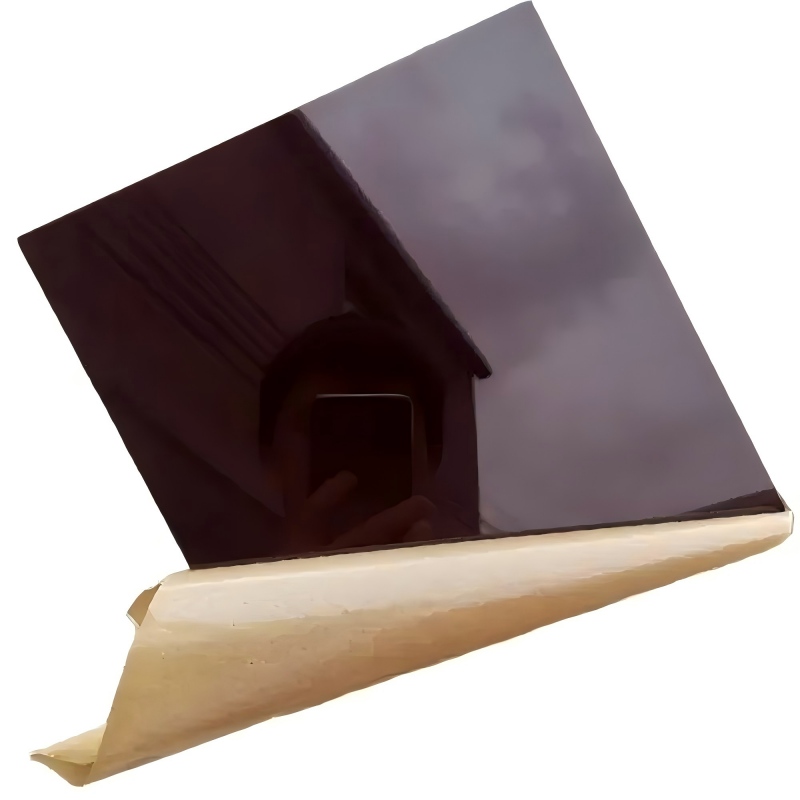
When selecting a brown colour acrylic sheet, designers should consider color consistency, transparency, thickness, and surface finish to ensure the material matches the overall design requirements.
Color consistency is critical for commercial projects involving multiple panels or large installations. Slight color differences between sheets can affect the overall appearance of a finished project.
Professional acrylic production requires strict control of raw materials and manufacturing conditions to maintain consistent color performance.
Transparency and Light Effects
Brown acrylic is available in different transparency levels, from solid colors to translucent options. Designers should select the appropriate type depending on whether the project requires privacy, decorative effects, or lighting interaction.
Thickness Selection
The correct thickness depends on the structural requirements of the application.
| Application | Suggested Thickness Range |
|---|
| Small decorative panels | 1.5–3 mm |
| Retail displays | 3–5 mm |
| Interior partitions | 5–10 mm |
| Structural decorative elements | 8 mm or above |
How Are Brown Acrylic Sheets Used in Modern Interior Design Projects?
Modern interior design increasingly focuses on creating spaces that combine functionality, visual identity, and customer experience. Brown acrylic sheets support this trend by providing designers with a material that delivers a sophisticated appearance while remaining practical for manufacturing and installation.
Unlike traditional decorative materials that may require complex processing or heavy structural support, acrylic allows designers to create customized elements with consistent quality and faster production cycles.
Furniture and Decorative Components
Brown acrylic is frequently used in customized furniture components such as cabinet doors, decorative inserts, shelving systems, and feature panels. Its smooth surface and color stability make it suitable for commercial furniture projects where appearance consistency is important.
For furniture manufacturers, acrylic provides additional flexibility because sheets can be cut into different shapes and combined with other materials such as metal frames, wood structures, and LED lighting systems.
Architectural Decorative Applications
Architects and designers use brown acrylic panels for decorative walls, room dividers, ceiling elements, and feature installations. The material can create a layered visual effect when combined with lighting or transparent design elements.
In hospitality and commercial architecture, designers often select brown acrylic because it creates a warmer atmosphere compared with completely transparent materials.
How Does Brown Acrylic Work With Lighting Design?
Lighting plays an important role in how colored acrylic materials are perceived. Brown acrylic can create different visual effects depending on the light source, thickness, and transparency level.
When combined with LED lighting, translucent brown acrylic can produce a soft and comfortable glow instead of direct brightness. This makes it suitable for decorative lighting structures, retail displays, and interior feature elements.
Designers should consider:
For illuminated applications, material consistency is particularly important because uneven color distribution may affect the final lighting appearance.
What Is the Difference Between Brown Acrylic and Colored Acrylic Sheets?
Brown acrylic is one type of colored acrylic material. While brown acrylic focuses on creating warm and natural visual effects, other colored acrylic sheets provide designers with broader options for branding, decoration, and creative applications.
Colored acrylic materials are commonly selected for:
Brand identity projects
Retail displays
Interior decoration
Architectural features
Custom product designs
The selection of color depends on the design objective. Brown tones are often chosen for premium, natural, and elegant environments, while brighter colors may be preferred for promotional displays and strong brand recognition.
For projects requiring multiple colors, working with experienced color acrylic sheets manufacturers can help ensure consistent color matching, stable quality, and customized material solutions.
How to Select Brown Acrylic Sheet for Commercial Display Manufacturing?
Commercial display manufacturers should evaluate several factors before choosing brown acrylic materials. The correct selection improves both product appearance and production efficiency.
Evaluate Material Quality
High-quality acrylic should have consistent thickness, smooth surfaces, and stable optical performance. Material defects may become visible after cutting, polishing, or installation.
Manufacturers should check:
Surface smoothness
Color consistency
Thickness tolerance
Fabrication performance
Consider Fabrication Requirements
Different manufacturing processes require different acrylic characteristics. For example, laser cutting requires good edge quality, while thermoforming requires suitable flexibility and stress control.
Before production, manufacturers should confirm whether the acrylic material is suitable for:
CNC machining
Laser cutting
Thermoforming
Bonding
Polishing
Choose the Appropriate Surface Finish
Surface finish influences both appearance and maintenance requirements.
| Surface Finish | Main Characteristics | Typical Applications |
|---|
| Glossy | High brightness and premium appearance | Retail displays and showcases |
| Matte | Reduced reflection and softer appearance | Interior panels and partitions |
| Textured | Decorative visual effects | Feature walls and creative designs |
| Translucent | Light diffusion capability | Lighting and illuminated structures |
Why Is Supplier Selection Important for Brown Acrylic Projects?
The supplier's manufacturing capability directly affects the quality and consistency of finished products. For commercial projects, unstable material quality may lead to production delays, color differences, and installation problems.
Professional suppliers should provide:
Stable acrylic sheet quality
Customized thickness and dimensions
Color matching support
Technical fabrication guidance
Consistent production capacity
When sourcing materials for large-scale projects, companies should work with suppliers that understand application requirements rather than simply selling standard sheets.
An experienced supplier can help manufacturers select suitable materials for different scenarios, including retail displays, architectural decoration, furniture production, and customized commercial projects.
How Do Brown Acrylic Sheets Support Brand and Retail Design?
Retail environments rely heavily on visual presentation. Materials used in displays influence customer perception, brand positioning, and overall shopping experience.
Brown acrylic helps create a premium atmosphere by adding warmth and depth to commercial spaces. It is especially effective for brands that want to communicate elegance, natural style, and modern design.
Typical brand applications include:
Luxury product showcases
Cosmetic display structures
Fashion retail fixtures
Corporate reception areas
Restaurant interior decoration
For companies developing customized display solutions, selecting suitable brown acrylic sheets helps achieve consistent visual effects across different products and installation environments.
What Makes Brown Acrylic Suitable for Long-Term Commercial Use?
Commercial environments require materials that can maintain appearance after repeated use. Brown acrylic offers several advantages for long-term applications when properly selected and maintained.
Easy surface cleaning
Stable decorative appearance
Resistance to daily handling
Flexible repair and replacement options
Unlike some decorative materials that require complicated maintenance, acrylic surfaces can usually be cleaned easily with appropriate methods, making them suitable for retail and public environments.
For projects requiring a specific brown tone, transparency level, or customized specification, selecting the correct material supplier is essential for achieving consistent results.
Frequently Asked Questions
1.What are brown acrylic sheets commonly used for?
Brown acrylic sheets are commonly used for commercial displays, retail fixtures, interior decorative panels, furniture components, architectural features, and customized design projects. Their warm color appearance makes them suitable for applications where designers want to create a premium, elegant, and modern atmosphere.
Compared with traditional decorative materials, brown acrylic provides greater flexibility because it can be cut, polished, formed, and customized into different shapes while maintaining a consistent visual appearance.
2.Why are brown acrylic sheets popular in retail display projects?
Brown acrylic sheets are widely selected for retail environments because they provide a sophisticated background that enhances product presentation. The warm tone helps create a comfortable shopping atmosphere and works well with luxury brands, cosmetic displays, fashion stores, and hospitality spaces.
In addition to visual advantages, acrylic materials offer practical manufacturing benefits. They are lightweight, easy to fabricate, and suitable for customized display structures that require precise dimensions and attractive finishes.
3.Can brown acrylic sheets be used for illuminated displays?
Yes. Brown acrylic sheets can be integrated with LED lighting systems to create decorative and ambient lighting effects. Translucent brown acrylic allows light to pass through softly, helping reduce harsh brightness and creating a more comfortable visual experience.
For illuminated applications, manufacturers should evaluate transparency, thickness, surface finish, and LED positioning to achieve consistent lighting performance.
4.What is the difference between brown acrylic and other colored acrylic sheets?
Brown acrylic is one type of colored acrylic material designed to create warm and natural visual effects. Other colored acrylic sheets provide additional options for branding, decoration, and creative design applications.
The selection of acrylic color depends on the project requirements, including interior style, brand identity, lighting conditions, and desired customer experience.
5.How should manufacturers choose the right brown acrylic supplier?
Manufacturers should evaluate suppliers based on material consistency, customization capability, production experience, and technical support. A reliable supplier should provide stable color performance, accurate thickness control, and recommendations for fabrication processes.
For commercial projects, supplier capability directly influences the final appearance, production efficiency, and long-term performance of acrylic products.
6.Are brown acrylic sheets suitable for long-term commercial applications?
Yes. High-quality brown acrylic sheets can maintain their appearance and performance for long-term commercial applications when properly selected and maintained.
Their smooth surface, lightweight structure, and fabrication flexibility make them suitable for retail displays, hospitality interiors, furniture applications, and decorative installations.
7.Can brown acrylic be customized for different interior design requirements?
Yes. Brown acrylic can be customized according to project requirements, including thickness, dimensions, surface finish, transparency level, and fabrication method.
This flexibility allows designers and manufacturers to develop customized solutions for commercial spaces, branded environments, and architectural applications.
Conclusion
Brown acrylic sheets provide designers, architects, and display manufacturers with a versatile material solution for commercial displays and interior design projects. By combining warm decorative effects with the practical advantages of acrylic, this material supports a wide range of applications including retail displays, furniture components, decorative panels, and architectural interiors.
The successful application of brown acrylic depends on selecting the appropriate material characteristics, including color consistency, thickness, transparency, surface finish, and fabrication performance. Understanding these factors helps manufacturers achieve better product quality and more efficient production processes.
As commercial environments increasingly focus on visual identity and customer experience, brown acrylic offers an effective way to create premium spaces while maintaining practical manufacturing advantages.
AML Acrylic provides customized acrylic sheet solutions for commercial displays, interior design projects, lighting applications, and industrial manufacturing requirements.
External References
 EN
EN