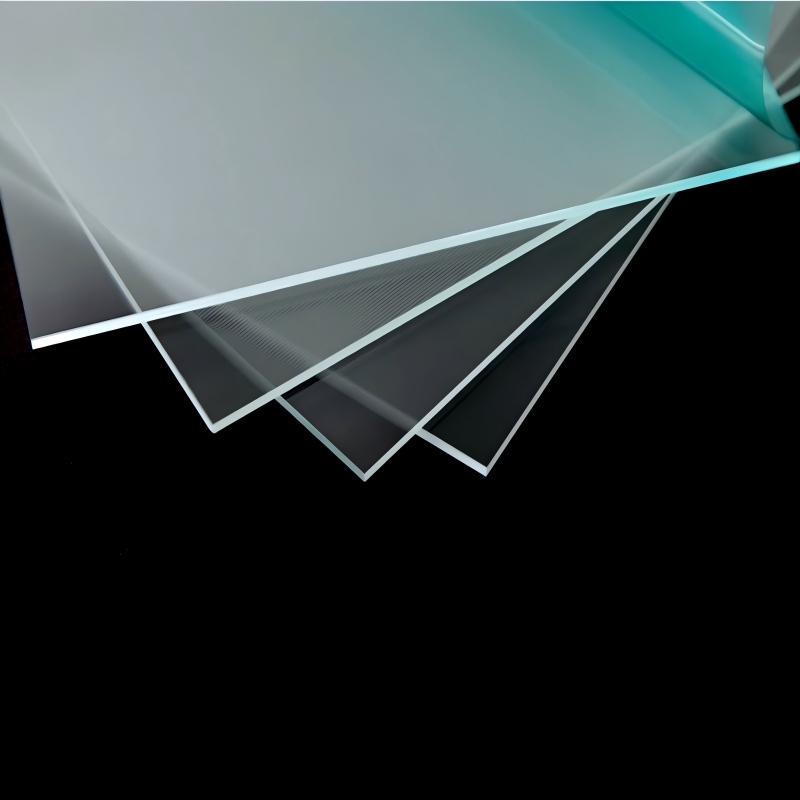
Sanitary acrylic sheet is widely used in bathroom manufacturing because it combines hygienic surface performance, design flexibility, durability, and excellent forming capability. For bathtub manufacturers, shower product producers, and bathroom solution providers, selecting the right acrylic material directly affects product appearance, service life, and customer experience.
Modern bathroom products require materials that are not only visually attractive but also easy to clean, resistant to daily use, and suitable for complex forming processes. Acrylic has become a preferred material for sanitary applications because it can be thermoformed into different shapes while maintaining a smooth and consistent surface.
The performance of bathroom products depends heavily on material selection. Factors such as acrylic quality, thickness, surface finish, impact resistance, and manufacturing compatibility all influence the final product quality.
What Is Sanitary Acrylic Sheet?
Sanitary acrylic sheet is a specialized acrylic material designed for bathroom and sanitary product manufacturing. It is commonly used to produce products such as bathtubs, shower trays, bathroom panels, and other molded sanitary components.
Unlike standard decorative acrylic sheets, sanitary acrylic is developed for applications where surface quality, hygiene, durability, and forming performance are important.
The material typically offers:
Smooth and non-porous surface
Easy cleaning performance
Good chemical resistance
Stable color appearance
Excellent thermoforming capability
These characteristics allow manufacturers to create bathroom products with attractive designs while maintaining practical performance requirements.
Why Is Acrylic Widely Used in Bathroom Manufacturing?
Bathroom manufacturers need materials that can withstand frequent water exposure, temperature changes, cleaning processes, and long-term daily use. Acrylic meets these requirements through a combination of durability and processing flexibility.
Compared with traditional materials such as ceramic or metal, acrylic offers several manufacturing advantages.
| Material Characteristic | Benefit for Bathroom Manufacturing |
|---|
| Lightweight structure | Reduces transportation and installation difficulty |
| Smooth surface | Improves hygiene and cleaning convenience |
| Thermoforming capability | Allows complex product shapes and designs |
| Color stability | Maintains long-term appearance |
| Repairable surface | Supports maintenance during product use |
For manufacturers, these advantages create more opportunities to develop customized bathroom products while maintaining efficient production processes.
What Are the Main Applications of Sanitary Acrylic Sheets?
Sanitary acrylic sheets are commonly used in different bathroom manufacturing applications because the material can be formed into various shapes and sizes.
| Application | Role of Sanitary Acrylic Material |
|---|
| Bathtubs | Provides smooth surfaces, attractive appearance, and comfortable user experience |
| Shower trays | Supports lightweight structures and easy maintenance |
| Bathroom wall panels | Creates waterproof decorative surfaces |
| Bathroom accessories | Enables customized shapes and designs |
Among these applications, bathtub manufacturing is one of the most common uses because acrylic can be heated and formed into ergonomic shapes while maintaining a high-quality surface finish.
What Properties Should Manufacturers Consider When Choosing Sanitary Acrylic?
Choosing the correct acrylic material requires evaluating multiple performance factors. Bathroom manufacturers should not only consider appearance but also analyze how the material performs during forming, installation, and long-term use.
Key factors include:
| Factor | Importance |
|---|
| Surface quality | Determines appearance, cleaning performance, and user experience |
| Thickness consistency | Affects product strength and forming stability |
| Impact resistance | Improves durability during transportation and use |
| Thermoforming performance | Ensures accurate shaping during manufacturing |
| Color consistency | Maintains stable appearance between production batches |
How Does Thermoforming Affect Sanitary Acrylic Product Quality?
Thermoforming is one of the most important manufacturing processes for sanitary acrylic products. During this process, acrylic sheets are heated and shaped into molds to create finished bathroom components.
The quality of the acrylic sheet directly influences the forming result. Materials with poor thickness control or unstable properties may create problems such as uneven surfaces, stress marks, or inconsistent product dimensions.
A successful thermoforming process requires:
Accurate heating temperature control
Suitable material thickness
Proper mold design
Controlled cooling process
Manufacturers selecting high-quality acrylic materials can achieve better forming results and reduce production defects.
How Does Surface Performance Influence Bathroom Product Applications?
Surface performance is one of the most important considerations for sanitary applications. Bathroom products are exposed to water, cleaning agents, and frequent contact, so the surface must remain attractive and easy to maintain.
A smooth acrylic surface helps prevent dirt accumulation and allows users to clean products more easily. This characteristic makes acrylic suitable for modern bathroom environments where hygiene and convenience are important.
For premium bathroom products, surface quality also influences the overall perception of product value.
How Are Sanitary Acrylic Sheets Used in Bathtub Manufacturing?
Bathtub manufacturing is one of the most common applications for sanitary acrylic materials. The combination of smooth appearance, lightweight structure, and excellent thermoforming capability allows manufacturers to create different bathtub designs for residential and commercial bathrooms.
Compared with traditional bathtub materials, acrylic provides greater design flexibility. Manufacturers can produce curved shapes, ergonomic structures, and customized sizes while maintaining a consistent surface finish.
During bathtub production, manufacturers typically consider:
Sheet thickness and structural strength
Heating and forming performance
Surface quality after forming
Color consistency
Compatibility with reinforcement structures
High-quality sanitary acrylic sheets help reduce production issues such as uneven surfaces, stress marks, and appearance defects after forming.
What Makes Sanitary Acrylic Suitable for Shower Trays and Bathroom Panels?
In addition to bathtubs, sanitary acrylic materials are widely used for shower trays and bathroom wall applications. These products require materials that can provide waterproof performance, easy maintenance, and attractive appearance.
For shower applications, acrylic offers several advantages:
Lightweight installation compared with ceramic alternatives
Smooth surface for easier cleaning
Flexible design options
Consistent appearance for modern bathrooms
For bathroom wall systems and decorative applications, an acrylic panel provides a practical solution where manufacturers need lightweight, customizable, and visually appealing surfaces.
The flexibility of acrylic panels allows designers to create different bathroom styles, including minimalist, luxury, and contemporary interior concepts.
How Does Sanitary Acrylic Compare With Other Bathroom Materials?
Material selection plays an important role in bathroom product development. Manufacturers often compare acrylic with ceramic, fiberglass, and other composite materials based on appearance, processing, durability, and production efficiency.
| Material | Advantages | Considerations |
|---|
| Sanitary Acrylic | Lightweight, easy forming, smooth surface, customizable designs | Requires proper material selection and processing control |
| Ceramic | Hard surface and traditional appearance | Heavier and more difficult to customize |
| Fiberglass | Lower manufacturing cost | Surface appearance may vary depending on quality |
| Stone Composite | Premium appearance and solid structure | Higher weight and production complexity |
For manufacturers focused on design flexibility and efficient production, sanitary acrylic provides a balanced solution between appearance, performance, and manufacturing convenience.
What Manufacturing Requirements Are Important for Sanitary Acrylic Products?
Producing high-quality bathroom products requires careful control throughout the manufacturing process. The acrylic sheet itself is only one part of the final product quality; forming, reinforcement, finishing, and inspection also influence the final result.
| Manufacturing Stage | Key Requirement |
|---|
| Material preparation | Ensure correct thickness, quality, and surface condition |
| Heating process | Maintain suitable temperature control |
| Thermoforming | Achieve accurate shapes without material stress |
| Finishing | Maintain smooth surfaces and clean appearance |
| Quality inspection | Verify dimensions, appearance, and performance |
Manufacturers using stable sanitary acrylic materials can achieve more consistent production results and reduce waste caused by forming defects.
How Do Manufacturers Select the Right Sanitary Acrylic Supplier?
Selecting a reliable supplier is essential for bathroom manufacturers because material quality directly affects production efficiency and finished product performance.
Professional suppliers should provide:
Consistent acrylic sheet quality
Customized thickness and dimensions
Technical support for forming processes
Stable production capacity
Quality control documentation
Experienced suppliers understand that sanitary applications have stricter requirements than general acrylic applications. They should be able to recommend suitable materials according to product structure, forming requirements, and end-use conditions.
Manufacturers searching for reliable sanitary acrylic sheets should evaluate not only product availability but also supplier capability, technical knowledge, and long-term cooperation potential.
Why Is Material Consistency Important in Bathroom Manufacturing?
Bathroom products are often produced in large quantities, making material consistency a critical factor. Differences in thickness, color, or surface quality between production batches can affect the appearance and performance of finished products.
Consistent sanitary acrylic materials help manufacturers maintain:
Stable product appearance
Reliable forming performance
Lower production adjustment requirements
Better customer satisfaction
For brands producing premium bathroom products, consistent material quality is essential for maintaining product reputation in competitive markets.
How Does Sanitary Acrylic Support Modern Bathroom Design Trends?
Modern bathroom design increasingly focuses on clean aesthetics, personalized layouts, and improved user experience. Sanitary acrylic supports these trends by allowing manufacturers to create products with smooth surfaces, curved designs, and customized dimensions.
The material enables bathroom brands to develop products that combine functional performance with contemporary visual appeal.
Common design applications include:
Freestanding bathtubs
Integrated shower systems
Decorative bathroom panels
Custom-shaped sanitary products
As bathroom design continues to evolve, sanitary acrylic remains an important material choice for manufacturers looking for flexibility and reliable performance.
Frequently Asked Questions
1.What is sanitary acrylic sheet used for?
Sanitary acrylic sheet is mainly used for manufacturing bathroom products such as bathtubs, shower trays, bathroom panels, and other sanitary components. It is selected because it provides a smooth surface, good forming capability, and stable appearance.
The material is especially suitable for products that require both attractive design and practical performance in wet environments.
2.Why is acrylic commonly used for bathtub manufacturing?
Acrylic is commonly used for bathtub manufacturing because it is lightweight, easy to thermoform, and capable of maintaining a smooth decorative surface after processing.
Compared with heavier materials, acrylic allows manufacturers to create more flexible bathtub designs while improving production efficiency and installation convenience.
3.What properties should sanitary acrylic have for bathroom applications?
High-quality sanitary acrylic should provide consistent thickness, smooth surface quality, good thermoforming performance, stable color appearance, and sufficient durability for long-term bathroom use.
These properties help manufacturers produce sanitary products with reliable performance and consistent appearance.
4.How does thermoforming affect sanitary acrylic product quality?
Thermoforming directly affects the final quality of sanitary acrylic products because the acrylic sheet must be heated and shaped accurately without creating stress marks, uneven surfaces, or dimensional problems.
Using suitable acrylic materials and controlling the forming process properly helps manufacturers achieve better product consistency.
5.Can sanitary acrylic sheets be customized for different bathroom designs?
Yes. Sanitary acrylic sheets can be customized in thickness, size, color, and forming requirements to support different bathroom product designs.
This flexibility allows manufacturers to develop customized bathtubs, shower systems, and decorative bathroom components according to market requirements.
6.What is the difference between sanitary acrylic and standard acrylic sheets?
Sanitary acrylic is specifically developed for bathroom and sanitary applications where surface quality, hygiene, durability, and forming performance are important.
Standard acrylic sheets are commonly used for general applications such as displays, signage, and decorative panels, while sanitary acrylic focuses more on molded bathroom products.
7.How should manufacturers choose a sanitary acrylic supplier?
Manufacturers should evaluate suppliers based on material quality, production capability, customization support, and experience with sanitary applications.
A reliable supplier should understand thermoforming requirements and provide consistent materials suitable for long-term bathroom product manufacturing.
8.Is sanitary acrylic suitable for modern bathroom design?
Yes. Sanitary acrylic is widely used in modern bathroom design because it supports clean aesthetics, customized shapes, and lightweight product structures.
Its flexibility allows designers and manufacturers to create contemporary bathroom products that combine appearance, comfort, and functionality.
Conclusion
Sanitary acrylic sheet is an important material solution for modern bathroom manufacturing because it combines design flexibility, surface quality, durability, and efficient processing capability.
For bathtub manufacturers, shower product producers, and bathroom solution providers, selecting the right acrylic material is essential for achieving consistent product performance and customer satisfaction.
Material quality, thermoforming performance, thickness control, and supplier capability all influence the final results of sanitary acrylic products. Working with experienced suppliers helps manufacturers reduce production risks and develop reliable bathroom solutions.
As bathroom designs continue to move toward customized and premium solutions, sanitary acrylic remains a valuable material choice for creating attractive, functional, and durable products.
AML Acrylic provides customized sanitary acrylic solutions for bathroom manufacturers, supporting customers with reliable materials and professional production capabilities.
External References
 EN
EN