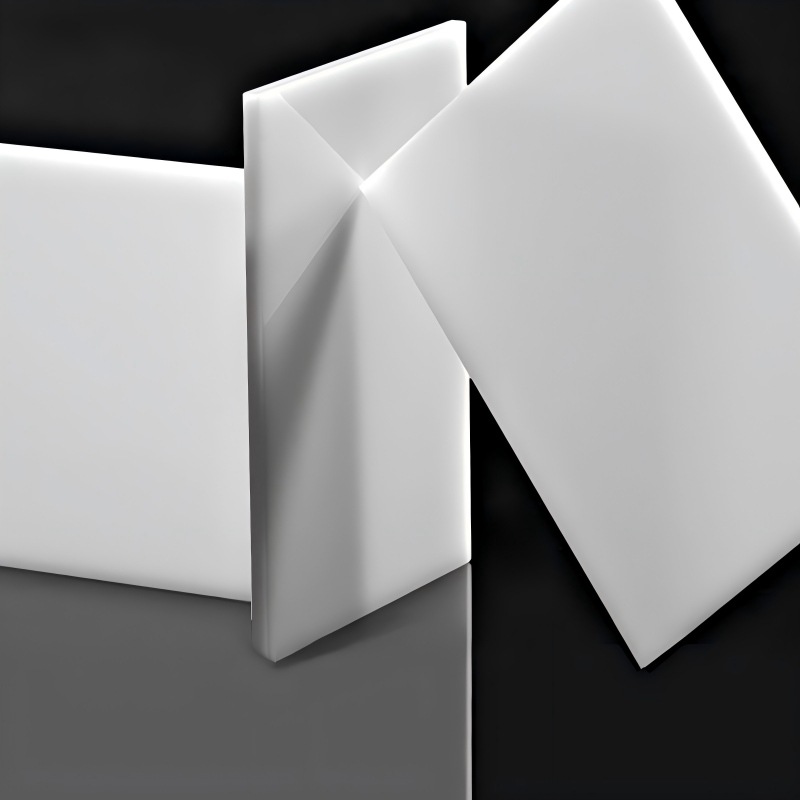
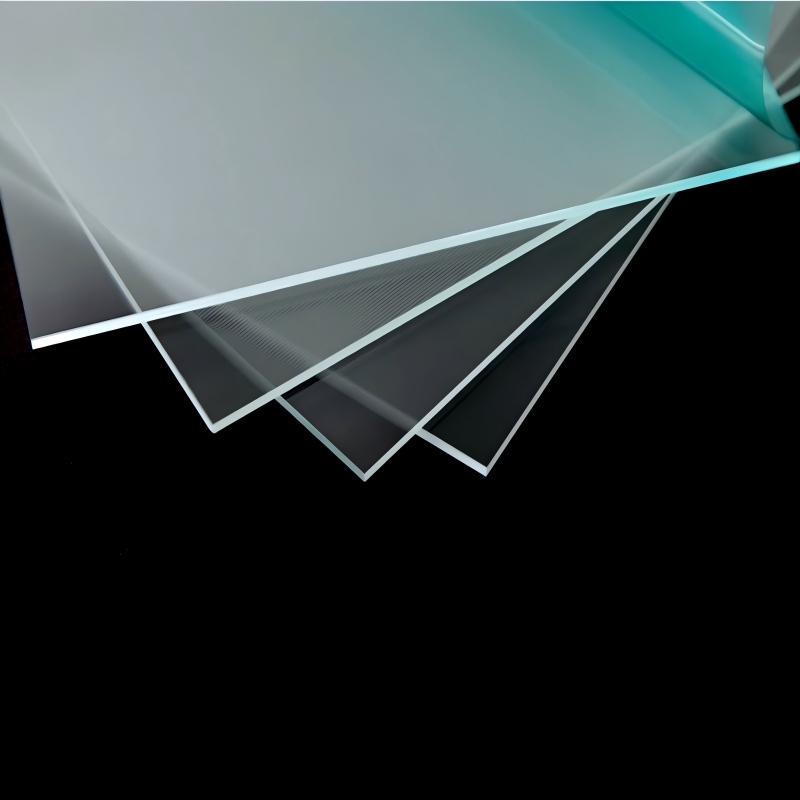
Selecting the right acrylic material is essential for producing advertising boards and commercial displays with consistent visual quality, reliable durability, and efficient manufacturing performance. For signage companies, retail display manufacturers, and brand designers, the ideal acrylic sheet should provide excellent optical clarity, stable thickness, good weather resistance, and flexibility during fabrication.
Acrylic has become one of the most widely used materials in advertising and commercial display industries because it combines the transparency of glass with lower weight, easier processing, and greater design freedom. Unlike traditional glass materials, acrylic sheets can be easily cut, engraved, polished, thermoformed, and customized into complex structures while maintaining a premium appearance.
For illuminated signs, retail showcases, exhibition displays, and architectural branding projects, material selection directly affects the final product performance. Factors such as light transmission, surface finish, thickness consistency, and environmental resistance should be evaluated before choosing an acrylic solution.
What Type of Acrylic Sheet Is Best for Advertising Boards?
The best acrylic sheet for advertising boards is a material that provides a balance between optical performance, mechanical strength, and fabrication flexibility. Different advertising applications require different acrylic characteristics depending on whether the display is installed indoors, outdoors, illuminated, or used as a structural component.
An acrylic sheet advertising board is commonly used for storefront signage, LED light boxes, brand logos, exhibition displays, menu boards, and promotional structures. Acrylic is especially suitable for these applications because it offers high transparency, lightweight construction, and excellent processing adaptability.
Compared with glass, acrylic provides several advantages for advertising applications:
Lower weight for easier transportation and installation
Better impact resistance in public environments
Easier cutting, drilling, bending, and machining
More options for colors, finishes, and surface effects
Excellent compatibility with LED lighting systems
For manufacturers producing customized advertising structures, choosing the correct acrylic grade helps improve production efficiency while reducing problems such as cracking, deformation, uneven lighting, or inconsistent appearance.
Why Is Acrylic Widely Used in Commercial Display Applications?
Commercial display projects require materials that can combine aesthetics with practical manufacturing advantages. Acrylic meets these requirements by offering a clean visual appearance while allowing manufacturers to create customized designs for different industries.
Retail stores, shopping centers, exhibitions, hotels, and corporate environments commonly use acrylic displays because the material supports both functional and decorative purposes.
Retail Product Displays
Acrylic is frequently used for cosmetic displays, electronics showcases, jewelry stands, and product shelves. Its transparent appearance allows customers to focus on the displayed products while maintaining a modern and professional visual style.
Brand Signage and Promotional Structures
Companies often use acrylic for logos, information boards, directional signs, and promotional installations because the material can be customized with printing, engraving, and lighting effects.
Exhibition and Trade Show Displays
Exhibition manufacturers prefer acrylic because it is lightweight and easy to assemble. Compared with heavier materials, acrylic reduces transportation costs and provides greater flexibility when creating temporary display structures.
Key Factors to Consider When Selecting Acrylic Sheets
Optical Clarity and Light Transmission
Optical performance is one of the most important factors when selecting acrylic for advertising and display applications. Clear acrylic sheets provide excellent transparency, while translucent and colored options allow designers to control brightness, diffusion, and visual effects.
For illuminated advertising systems, acrylic quality directly affects lighting consistency. Uneven material structure or poor surface quality may create visible differences when LED modules are installed behind the sheet.
High-quality acrylic materials should provide:
These characteristics are especially important for large advertising boards because even minor variations may become noticeable across a wide surface area.
Thickness Stability and Structural Performance
Acrylic thickness selection should be based on the size, installation method, and operating environment of the display. Although thinner sheets may be suitable for small indoor applications, larger structures usually require thicker acrylic to maintain rigidity.
Incorrect thickness selection may result in:
Professional suppliers evaluate the entire application instead of recommending thickness based only on standard product availability.
Surface Finish and Appearance Requirements
The surface finish of acrylic significantly influences the final appearance of commercial displays. Different finishes can create different visual experiences depending on the project requirements.
Glossy Acrylic
Glossy acrylic provides a smooth and reflective surface that is commonly used for premium retail displays, advertising panels, and brand showcases.
Frosted Acrylic
Frosted acrylic creates softer visual effects by reducing reflection and improving light diffusion. It is often selected for decorative partitions, lighting covers, and interior applications.
Colored Acrylic
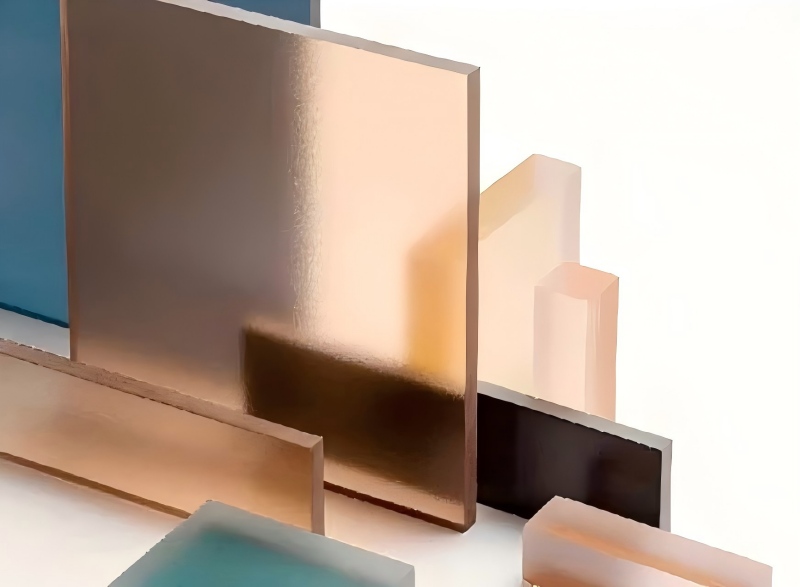
Colored acrylic allows designers to match brand colors and create unique visual identities while maintaining the processing advantages of acrylic materials.
How to Choose Acrylic Sheet Thickness for Different Display Applications?
Acrylic thickness selection plays an important role in the stability, appearance, and service life of commercial display products. The correct thickness depends on the display size, installation method, indoor or outdoor environment, and whether the acrylic sheet needs to support additional components such as LED modules, frames, or mounting structures.
For example, a small countertop display may only require a thin acrylic sheet because it is not exposed to external stress. However, large outdoor advertising boards need thicker materials to maintain rigidity and prevent deformation caused by wind pressure or long-term environmental exposure.
| Application | Recommended Acrylic Thickness | Main Considerations |
|---|
| Small indoor displays | 1.5–3 mm | Lightweight structure and easy fabrication |
| Retail display panels | 3–5 mm | Balance between appearance and strength |
| LED advertising light boxes | 3–8 mm | Light diffusion and structural stability |
| Large outdoor signage | 8 mm or above | Higher rigidity and weather resistance |
Thickness should also be considered together with fabrication methods. For example, thermoforming, bending, drilling, and CNC machining may influence the final mechanical performance of the finished display.
Experienced acrylic suppliers can recommend suitable thickness based on the complete product design instead of focusing only on the sheet itself.
Acrylic Sheet vs Glass for Commercial Display Applications
Acrylic and glass are both commonly used in advertising and display industries, but they provide different advantages. The choice depends on the application requirements, production process, and expected operating environment.
| Feature | Acrylic Sheet | Glass |
|---|
| Weight | Lightweight and easier to handle | Heavier and requires stronger support |
| Impact resistance | Higher resistance to impact | More vulnerable to cracking |
| Processing flexibility | Easy cutting, machining, polishing, and forming | More complex processing requirements |
| Design options | Available in many colors and finishes | Limited customization options |
| Installation efficiency | Lower transportation and handling requirements | Higher installation complexity |
For commercial displays that require frequent customization, transportation, or unique shapes, acrylic usually provides greater production advantages. Retail brands, exhibition companies, and signage manufacturers often prefer acrylic because it allows faster product development and easier modification.
Can Acrylic Plastic Sheet Be Used for Outdoor Advertising?
Yes, high-quality acrylic plastic sheet can be used for outdoor advertising applications when the material is selected according to environmental requirements. Outdoor signage needs to withstand sunlight exposure, temperature changes, moisture, and long-term installation conditions.
When selecting acrylic for outdoor applications, manufacturers should evaluate:
Outdoor advertising boards often require additional design considerations, including mounting structure, ventilation, drainage, and protection against mechanical stress. Even high-quality acrylic materials may perform poorly if the overall display design does not consider environmental factors.
For this reason, commercial signage manufacturers should work with suppliers that understand both acrylic material properties and practical installation requirements.
How Do Acrylic Sheet Manufacturers Support Custom Display Projects?
Commercial display projects often require customized solutions rather than standard sheets. Professional suppliers support customers by providing material recommendations, fabrication guidance, and customized production options.
A reliable acrylic sheet manufacturer in china can help customers evaluate factors such as:
Required thickness and dimensions
Transparency and color requirements
Surface finish selection
Fabrication compatibility
Application environment
For large-scale display projects, consistency is especially important. Variations in thickness, color, or optical quality can affect production efficiency and final appearance.
Professional manufacturers usually provide different acrylic solutions, including:
Clear acrylic sheets for transparent displays
Colored acrylic sheets for branding applications
Frosted acrylic sheets for decorative effects
Optical acrylic sheets for illuminated products
Material selection should always be connected with the final application. A display manufacturer producing luxury retail showcases may require different acrylic characteristics compared with a company manufacturing outdoor advertising signs.
Common Applications of Acrylic Sheets in Commercial Displays
Because of its balance between appearance and performance, acrylic is used across many commercial industries.
Retail Store Displays
Retail businesses use acrylic displays for shelves, product holders, cosmetic counters, and promotional stands. The transparent appearance helps highlight products while creating a clean shopping environment.
Advertising Signs and Light Boxes
Acrylic is widely used in illuminated signs because it works effectively with LED lighting systems. Properly selected acrylic helps improve brightness distribution and reduces uneven lighting effects.
Exhibition Displays
Trade show companies prefer acrylic because it combines professional appearance with easy transportation. Custom acrylic structures can be produced quickly for temporary exhibitions and brand events.
Interior Commercial Applications
Hotels, restaurants, offices, and commercial spaces use acrylic panels for decorative walls, partitions, signage, and architectural elements.
How Do Acrylic Panel Manufacturers Ensure Product Quality?
Quality control is an essential part of acrylic production because display applications require consistent appearance and reliable performance.
Professional acrylic panel manufacturers typically control:
Raw material quality
Sheet thickness accuracy
Surface smoothness
Color consistency
Optical performance
For commercial projects, suppliers should also provide technical support during product development. This helps customers avoid problems during cutting, assembly, and installation.
Acrylic quality is not determined only by appearance. Internal stress, thickness variation, and material stability can influence the long-term performance of finished products.
How Does Surface Treatment Improve Acrylic Display Performance?
Surface treatment can improve both appearance and functionality. Depending on the application, acrylic surfaces can be modified to achieve different visual effects.
Common treatments include:
Polishing for high transparency
Matte finishing for reduced reflection
Printing for branding graphics
Laser engraving for decorative effects
Coating for additional protection
For advertising and display applications, surface treatment allows manufacturers to create more attractive products while maintaining the practical benefits of acrylic materials.
Frequently Asked Questions
1.What type of acrylic sheet is best for advertising boards?
The best acrylic sheet for advertising boards depends on the display environment, lighting requirements, and fabrication method. Clear acrylic is commonly selected for transparent displays, while translucent or colored acrylic is preferred when designers need controlled light diffusion or decorative effects.
For outdoor advertising, manufacturers should consider UV resistance, thickness stability, and weathering performance to ensure long-term appearance and durability.
2.Why is acrylic better than glass for commercial displays?
Acrylic is often preferred over glass for commercial displays because it is lighter, easier to process, and more impact resistant. It also provides greater flexibility for customized shapes, colors, and surface finishes.
For retail displays, exhibitions, and advertising structures that require frequent transportation or modification, acrylic usually offers better manufacturing efficiency.
3.What thickness of acrylic sheet is suitable for a large advertising board?
Large advertising boards typically require thicker acrylic sheets to maintain structural stability. The exact thickness depends on the board size, mounting structure, outdoor exposure, and whether additional components such as LED lighting are installed.
Professional suppliers usually evaluate the complete application before recommending the appropriate thickness.
4.Can acrylic sheets be customized for commercial display projects?
Yes. Acrylic sheets can be customized in thickness, color, finish, size, and fabrication method. Manufacturers can provide solutions for retail displays, signage, exhibition structures, and architectural applications.
5.How should companies choose an acrylic sheet supplier?
Companies should evaluate suppliers based on material consistency, customization capability, production experience, quality control processes, and technical support. A reliable supplier should understand the application requirements instead of only supplying standard sheets.
6.Is acrylic suitable for outdoor signage applications?
Yes, acrylic can be used for outdoor signage when the correct grade and thickness are selected. UV stability, weather resistance, installation design, and environmental conditions should all be considered to achieve reliable long-term performance.
Conclusion
Acrylic sheets provide a practical and versatile solution for advertising boards and commercial display applications because they combine optical clarity, lightweight construction, fabrication flexibility, and design versatility.
From illuminated signage and retail displays to exhibition structures and branded interior elements, selecting the correct acrylic material helps manufacturers achieve better visual performance and production efficiency.
The most suitable acrylic solution depends on multiple factors, including display size, installation environment, lighting requirements, surface finish, and fabrication method. Working with an experienced acrylic supplier allows businesses to choose materials that match their specific application needs and maintain consistent product quality.
AML Acrylic provides customized acrylic solutions for advertising, display, lighting, and industrial applications, supporting customers with reliable materials and professional manufacturing capabilities.
External References
 EN
EN